

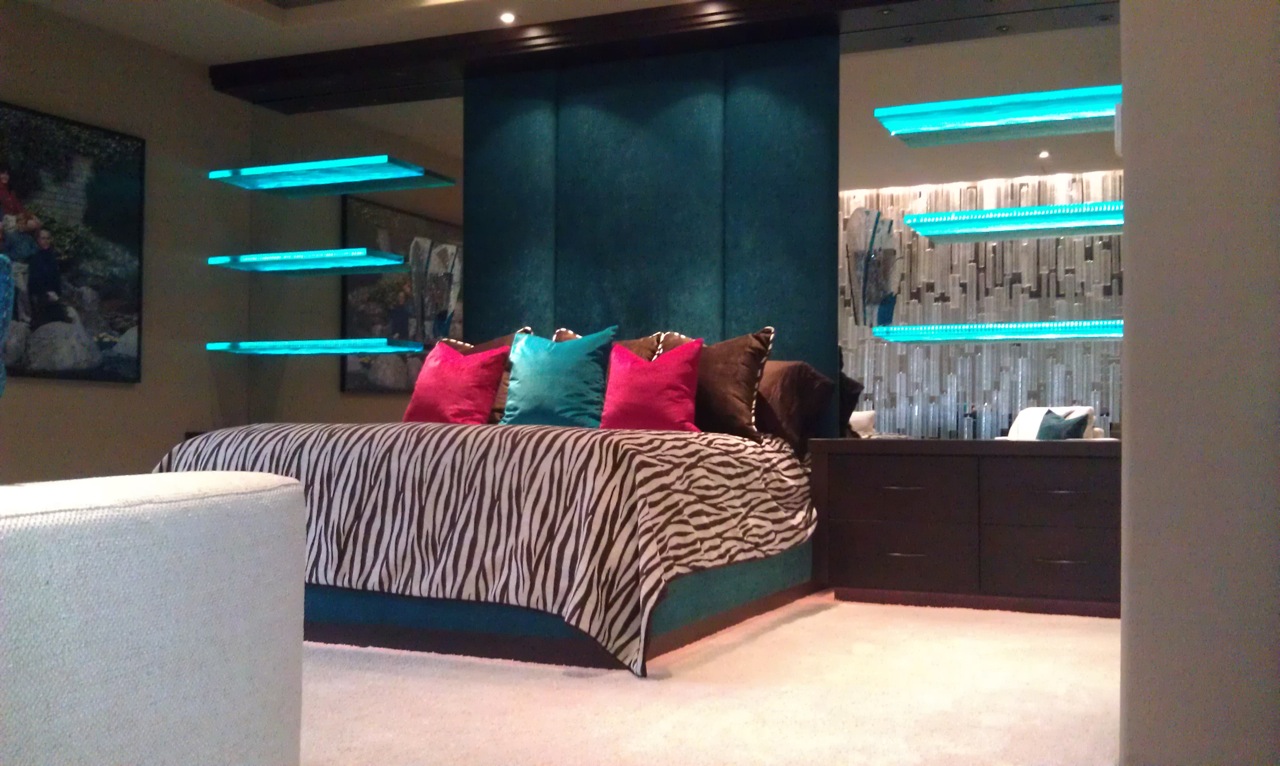
Glass shelves add style, usefulness, and a modern touch to rooms. They appear clean and simple in bathrooms, kitchens, living spaces, offices, and stores, and they let in a lot of light and space. When made and fitted correctly, glass shelves are more than just pretty; they are also strong and clean. With better materials and safety requirements in 2025, glass shelving is stronger, safer, and more useful than ever.
This article talks about why glass shelves are a good idea, the different kinds of glass that are available, how much weight they can hold, how to take care of them, how to install them, and what the latest design trends are in North America.

Why Choose Glass Shelves?
Glass shelves offer more than style-they deliver practical benefits that make them competitive with wood, metal, and composite shelving.
Elegant and Light-Enhancing
- Their transparency allows natural and artificial light to flow freely, making small rooms appear larger.
- They highlight displayed objects rather than competing with them, which makes them popular for bathrooms, living rooms, and retail stores.
Durability
- Modern tempered glass shelves are engineered to withstand significant weight and impact. They resist scratches better than softwoods or laminates and do not warp or corrode.
Non-Porous and Hygienic
- Glass is resistant to moisture, oils, and bacteria, making it particularly suitable for kitchens and bathrooms. Unlike wood, it will not absorb water or food residue.
Resistant to Pests and Corrosion
- Glass is immune to termites, mold, and rust, providing long-term reliability without chemical treatments or coatings.
Types of Glass Used for Shelves
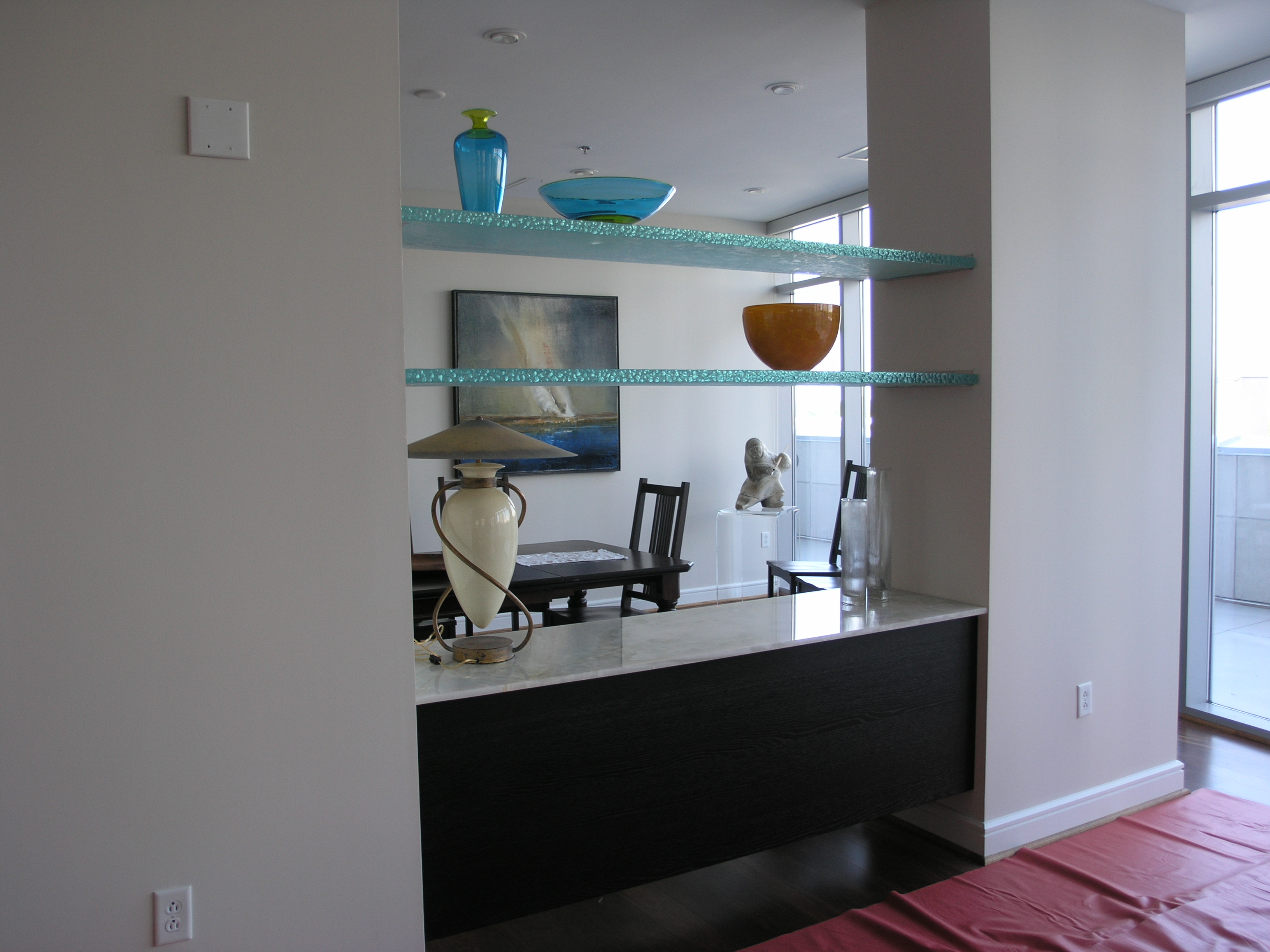
Different kinds of glass are chosen for shelves based on how much weight they need to hold, safety rules, and how they look. Tempered and laminated glass are great for most functional uses, but fused glass is the best in terms of craftsmanship and structural art. It is perfect for high-end interiors and architectural features.
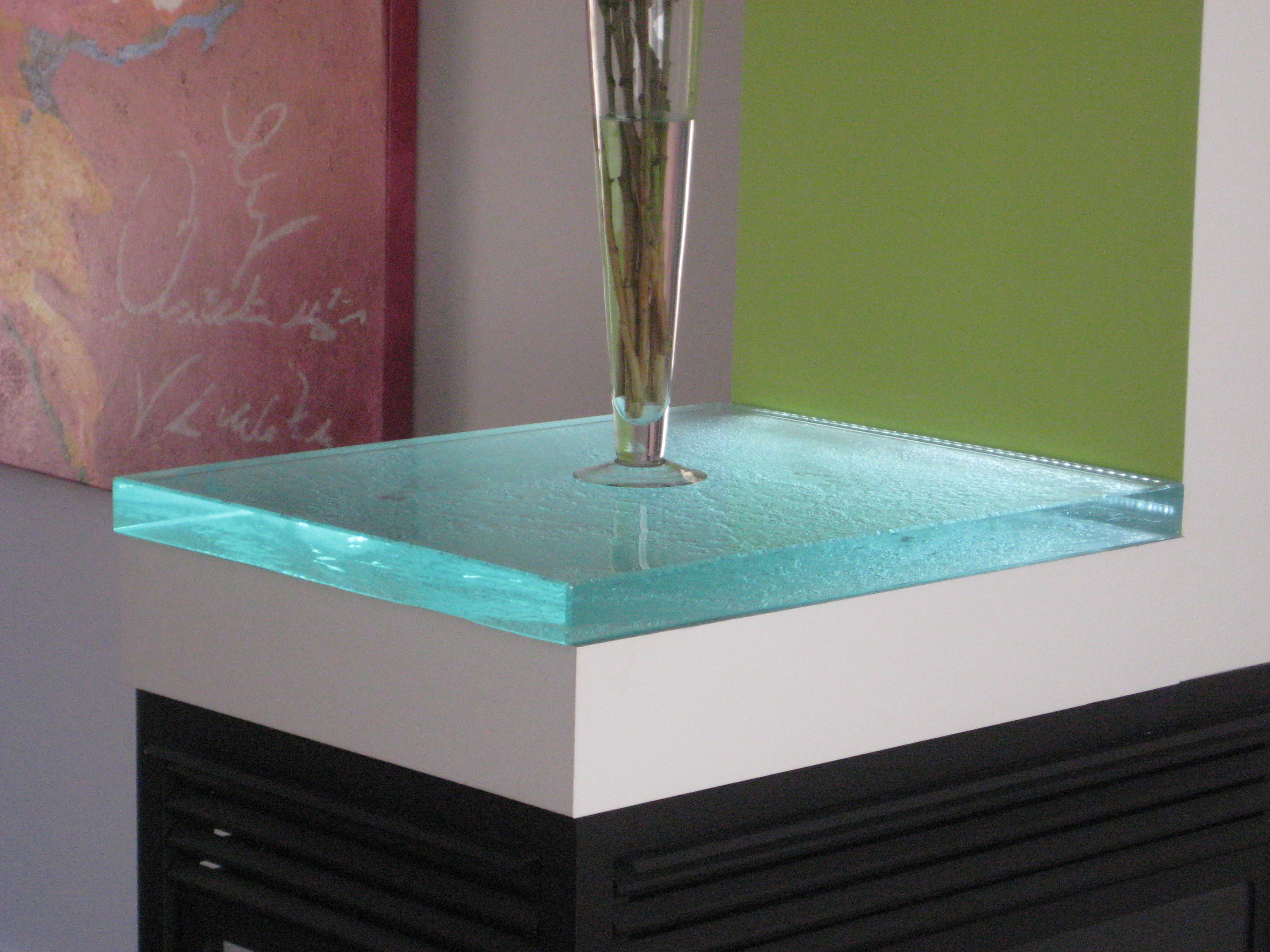
1. Fused (Cast) Glass
- Process:
- Created by kiln-casting molten glass into molds, then cooled slowly (annealed) for internal stability.
- Produces thick slabs up to 2” (50 mm) with intricate textures and organic variations.
- Created by kiln-casting molten glass into molds, then cooled slowly (annealed) for internal stability.
- Durability:
- Exceptionally strong and rigid—capable of supporting heavy decorative objects or architectural loads.
- Naturally resists chipping, scratching, and heat damage thanks to its density and surface texture.
- Exceptionally strong and rigid—capable of supporting heavy decorative objects or architectural loads.
- Design:
- Offers unique translucent depth, light diffusion, and color integration.
- Can incorporate sculptural patterns or LED lighting for ambient effects.
- Offers unique translucent depth, light diffusion, and color integration.
- Applications:
- Used in luxury interiors, showroom installations, and architectural displays where design and material presence are equally important.
- Used in luxury interiors, showroom installations, and architectural displays where design and material presence are equally important.
2. Tempered Glass
- Process:
- Heated to high temperatures and rapidly cooled, creating surface compression that makes it 4-5 times stronger than standard annealed glass.
- Heated to high temperatures and rapidly cooled, creating surface compression that makes it 4-5 times stronger than standard annealed glass.
- Safety:
- If broken, it shatters into small, blunt fragments rather than sharp shards.
- If broken, it shatters into small, blunt fragments rather than sharp shards.
- Applications:
- The standard choice for most residential and commercial shelves—bathrooms, kitchens, offices, and retail.
- The standard choice for most residential and commercial shelves—bathrooms, kitchens, offices, and retail.
- Thickness Range:
- From 1/4” (6 mm) for light-duty applications up to 1/2” (12 mm) for heavier loads.
- From 1/4” (6 mm) for light-duty applications up to 1/2” (12 mm) for heavier loads.
3. Laminated Glass
- Process:
- Two or more sheets of glass are bonded together with an interlayer of PVB or EVA for structural reinforcement.
- Two or more sheets of glass are bonded together with an interlayer of PVB or EVA for structural reinforcement.
- Durability:
- Retains shape and safety upon impact—the interlayer holds the fragments in place.
- Retains shape and safety upon impact—the interlayer holds the fragments in place.
- Applications:
- Common in public spaces, commercial environments, or safety-critical installations.
- Common in public spaces, commercial environments, or safety-critical installations.
- Thickness Range:
- Typically 3/8” to 1” (10-25 mm).
- Typically 3/8” to 1” (10-25 mm).
4. Specialty Glass (Textured, Frosted, or Tinted)
- Purpose:
- Adds personality, privacy, and artistic depth to shelving designs.
- Available in etched, patterned, or tinted variations to match interior style.
- Safety:
- Can be tempered or laminated for compliance with building codes.
- Can be tempered or laminated for compliance with building codes.
- Applications:
- Ideal for retail displays, decorative shelving, or architectural niches where visual texture enhances the design.
Strength and Load-Bearing Capacity
The thickness, span length, type of glass, and support system all affect how well a glass shelf works structurally. Tempered and laminated glass are fine for most architectural demands, but fused (cast) glass is more stronger than most people assume because it is very dense, thick, and has a molecular structure that slowly anneals.
- Load Distribution:
- Shelves perform best when weight is evenly distributed across their surface.
- Concentrated loads at the center can create stress points, particularly on thinner or unsupported glass.
Typical Load Capacities
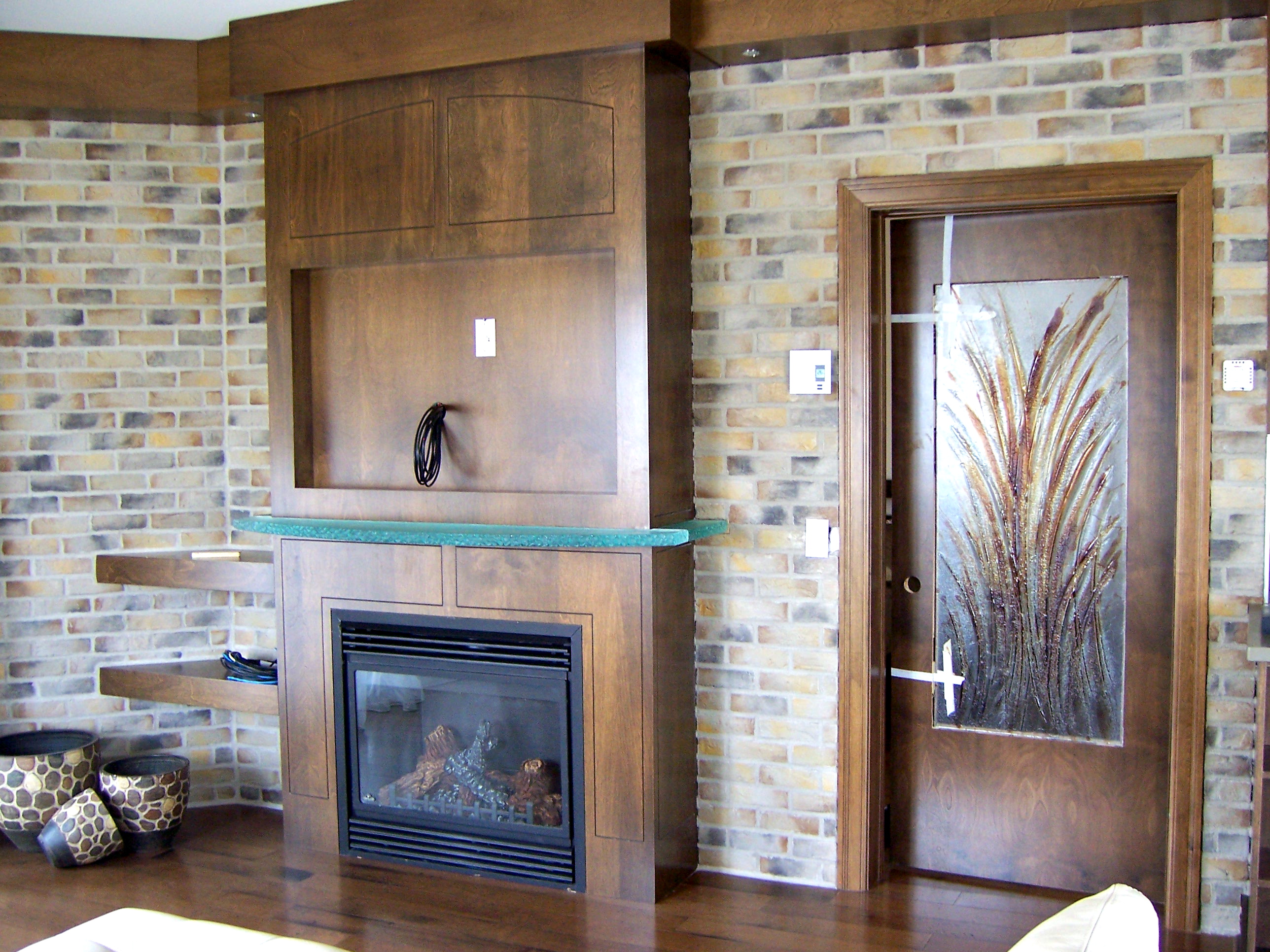
- Fused (Cast) Glass (1.5-2” / 38-50 mm):
- Can safely support 100+ lbs per linear foot, depending on mounting and span.
- Ideal for architectural shelving, display cases, or integrated counters.
- Tempered Glass:
- 1/4” (6 mm): ~20 lbs per linear foot
3/8” (10 mm): ~35 lbs per linear foot - 1/2” (12 mm): ~50 lbs per linear foot (with proper supports)
- 1/4” (6 mm): ~20 lbs per linear foot
- Laminated Glass:
- Performs slightly higher than tempered glass under impact, but overall capacity depends on interlayer stiffness and mounting method.
- Performs slightly higher than tempered glass under impact, but overall capacity depends on interlayer stiffness and mounting method.
Support and Mounting Considerations
- Brackets, clips, or concealed floating supports must be rated for expected loads and spaced according to the glass thickness.
- Under-supported or unevenly loaded shelves risk deflection or edge stress.
- Fused glass, due to its thickness and weight, typically requires anchored or reinforced mounts, yet provides unmatched rigidity and long-span stability.
Recommended Span Guidelines
- 1/4” glass: spans up to 24” (light-duty shelving)
- 3/8” glass: spans up to 30”
- 1/2” glass: spans up to 36”
- 1.5-2” fused glass: spans can extend beyond 48”, depending on design and support engineering.
Maintenance Tips for Longevity and Safety
Glass shelves are low-maintenance but benefit from regular care:
- Cleaning: Use microfiber cloths and gentle glass cleaners or vinegar-water solutions for streak-free results.
- Avoid Abrasives: Never use steel wool or harsh scrubbers, which can scratch surfaces.
- Protect Surfaces: Place felt pads under heavy items to prevent scratches or chips.
- Inspections: Check regularly for chips, cracks, or loose brackets. Prompt repair or replacement avoids safety hazards.
- Protective Coatings: Hydrophobic coatings can repel water and oils, reducing fingerprints and making cleaning easier.
Installation and Safety
Proper installation is critical for performance and safety.
- Floating Shelves: Require specially designed brackets or hidden supports rated for glass.
- Brackets and Frames: Stainless steel or aluminum brackets provide excellent support and durability.
- Edge Finishes: Polished, beveled, or rounded edges reduce the risk of injury and add a professional look.
- Building Codes: In public or commercial installations, laminated or thicker tempered glass is often required to comply with safety standards.
- Professional Installation: Strongly recommended for large spans, heavy loads, or floating systems.
Popular Uses of Glass Shelves
Bathrooms
- Floating shelves above sinks or inside showers create storage while expanding the visual sense of space.
Kitchens
- Ideal for open shelving concepts, displaying glassware or decorative items while resisting stains and splashes.
Living Rooms and Offices
- Floating wall shelves or bookcases with glass panels maintain minimalist design and allow light to pass through.
Retail Environments
- Frequently used for product displays, allowing merchandise to stand out without distraction from shelving structures.
Market & Design Trends in 2025
- Trends in the market and design in 2025
- Minimalist Interiors: People still want clean lines and open storage, especially in city apartments and high-end residences.
- Hybrid Designs: Glass and wood or metal supports work together to create a look that is both warm and modern.
- Sustainability: More and more people are using recycled or eco-friendly glass.
- Customization: Frosted, tinted, or back-painted glass gives your home a unique look while still being strong and secure
- Smart Coatings: More and more high-end shelf systems come with anti-fingerprint and water-resistant treatments.
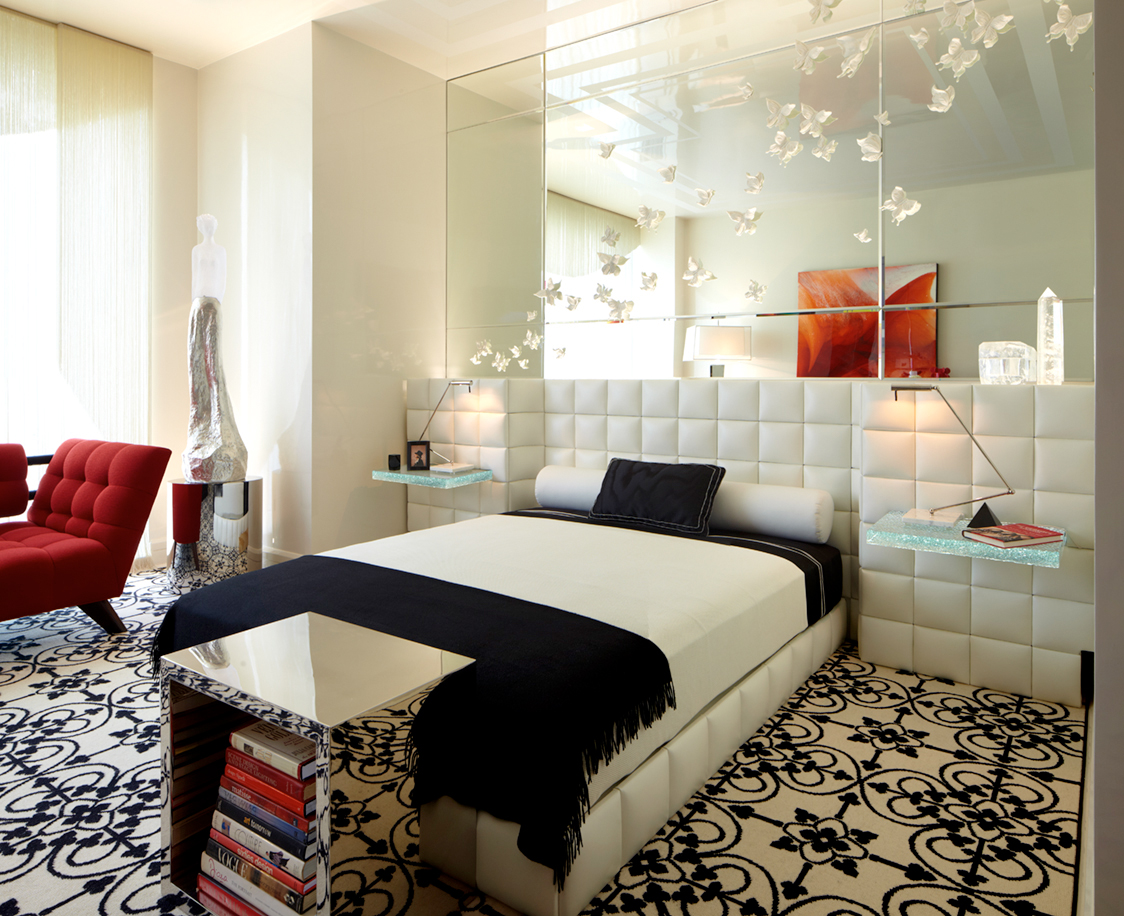
When fitted and specified appropriately, glass shelves are not only pretty, but also useful, long-lasting, and safe. In 2025, tempered and laminated glass technology will have come a long way, making shelves sturdy enough for use in homes and businesses. If you take care of them and have them installed by a pro, glass shelves are a clean, long-lasting, and beautiful way to store things that works with almost any kind of home.