

In North America, glass facades are becoming one of the most important parts of modern architecture. They are clear, bright, and elegant, but they also have to follow stricter building requirements, energy efficiency targets, and environmental criteria.
Glass facades used to be mostly for decoration, but now they are highly sophisticated systems that have to combine looks, safety, durability, and performance. They provide office buildings, corporate headquarters, hotels, museums, luxury houses, and public areas their unique look and feel, and they also affect how individuals who live or work there feel.
This book covers all you need to know about glass facades in 2026, including the main types of systems, their pros and cons, design trends, compliance criteria, and the pros and cons of utilizing glass in modern structures.
What Are Glass Facades?
The term "glass facade" refers to a building's exterior wall system in which glass is the main cladding material, typically held up by steel or aluminum frames. While load-bearing walls bear the brunt of a building's weight, most glass facades serve more as an envelope system, protecting occupants from the elements, insulating the interior, and adding visual appeal.
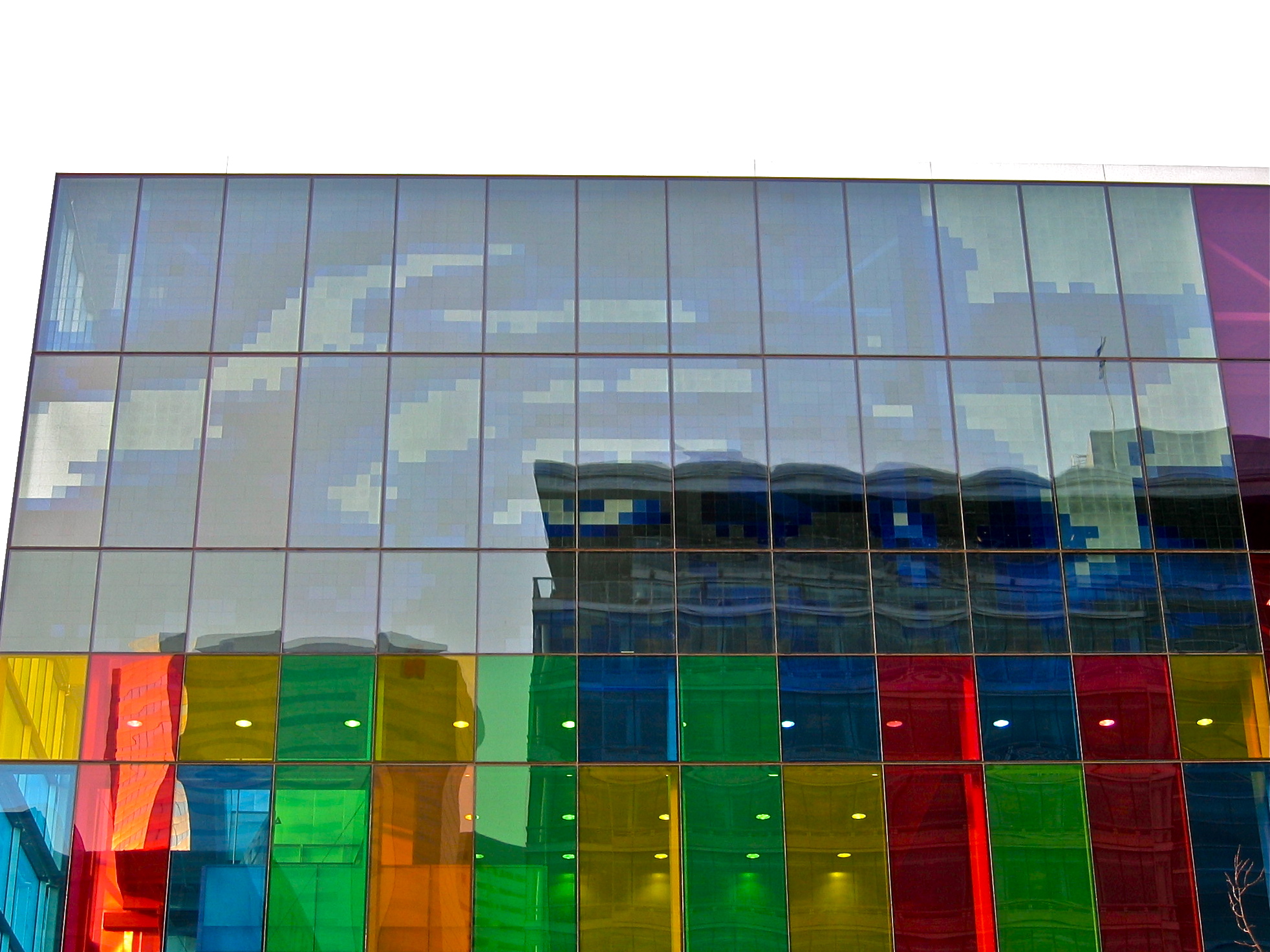
An array of colors, patterns, and even transparency and reversibility are possible for glass exteriors. They have various uses:
- Maximizing natural light, which reduces energy use and enhances occupant well-being.
- Providing visual connection to the outdoors and cityscapes.
- Enhancing building identity, offering striking, recognizable architectural statements.
- Improving performance, with modern insulated and coated glass systems reducing heat gain, noise intrusion, and environmental impact.
Types of Glass Facades
1. Curtain Wall Systems
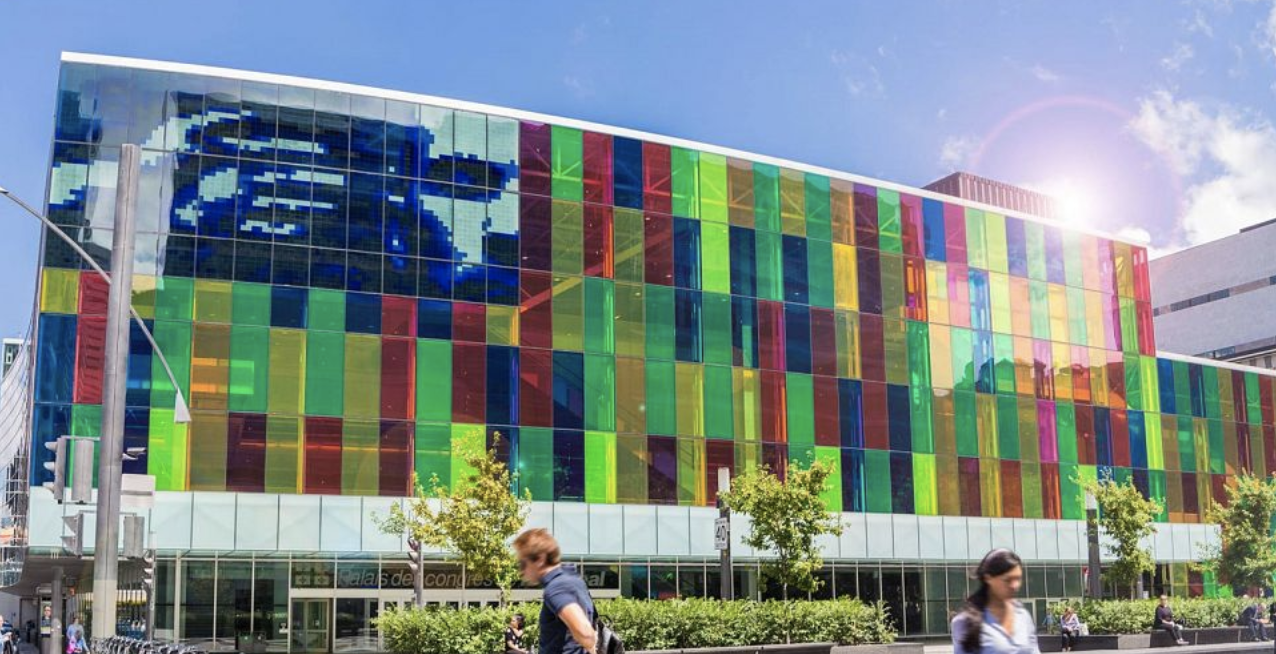
- Definition: Non-load-bearing glass walls that hang like a “curtain” from the structural frame of the building.
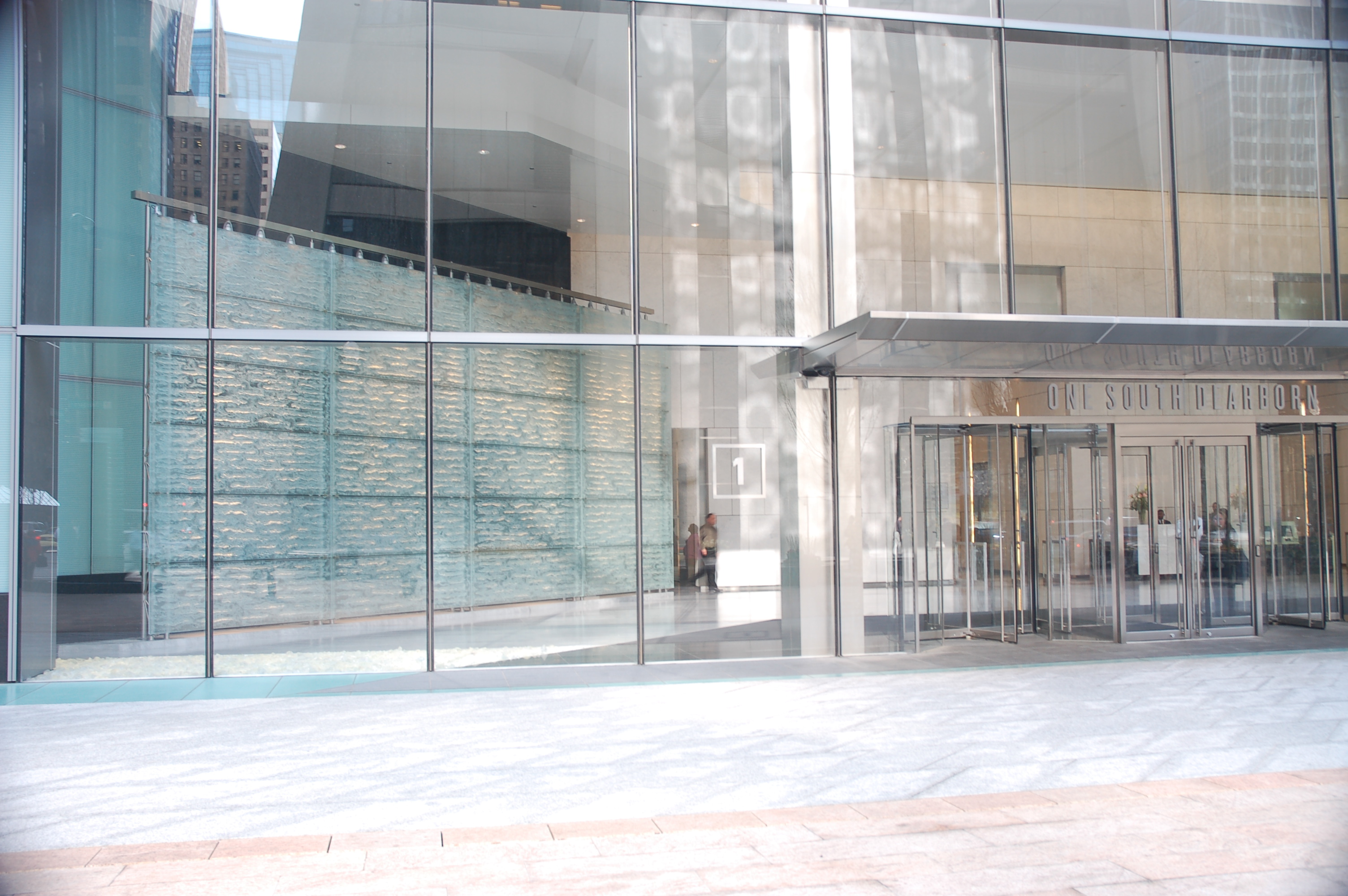
- Composition: Often insulated glass units (IGUs), tempered or laminated, set into aluminum frames.
- Performance: Provide excellent weather resistance, thermal insulation, and acoustic performance.
- Applications: High-rise towers, commercial complexes, airports, cultural centers.
- Advantages: Flexible design, durable, integrates well with other cladding systems.
- Challenges: Higher upfront cost, requires expert installation and ongoing maintenance.
2. Storefront and Panel Facades
- Definition: Ground-floor and low-rise glazing systems, often limited to about two stories.
- Composition: Typically single-glazed or insulated glass panels in aluminum frames.
- Applications: Retail stores, showrooms, lobbies.
- Advantages: Economical, fast installation, high transparency.
- Challenges: Lower structural performance than curtain walls; limited for taller buildings.
3. Structural Frameless Glass
- Definition: Large laminated or tempered panels with minimal or no visible framing.
- Applications: High-end commercial buildings, museums, luxury residential homes.
- Advantages: Seamless visual continuity, modern and dramatic aesthetic.
- Challenges: Requires precise engineering; higher material and installation costs.
4. Decorative and Custom Glass Facades
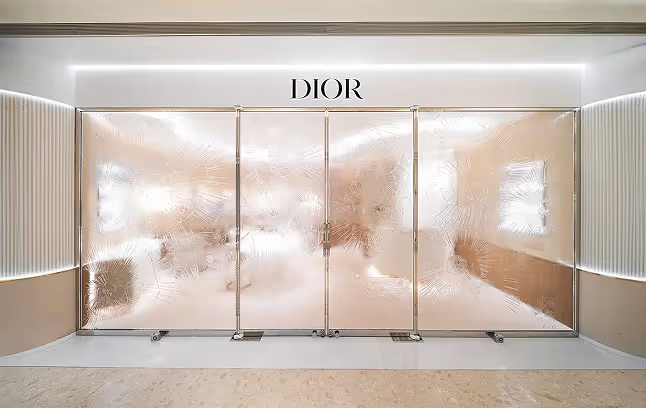
- Options: Frosted, etched, printed, colored, or patterned glass.
- Benefits: Adds branding, privacy, or unique artistic expression without blocking light.
- Applications: Hotels, universities, public buildings, retail flagships.
5. Double- and Triple-Glazed IGUs
- Composition: Multiple panes separated by air or inert gases (argon, krypton) and low-E coatings.
- Performance: High insulation values, reduced heat transfer, improved comfort.
- Applications: Energy-conscious projects and climates with extreme temperatures.
- Trend: Triple glazing is becoming more common in Canada and northern U.S. markets in 2026.
Benefits of Glass Facades
- Daylighting and Wellness: Glass allows up to 70% more daylight, reducing dependence on artificial light, lowering energy costs, and supporting circadian health.
- Thermal Comfort: IGUs with selective coatings balance solar heat gain and insulation, cutting HVAC loads significantly.
- Acoustic Protection: Laminated and insulated units provide sound attenuation, critical in urban centers.
- Sustainability: Glass facades contribute to LEED, WELL, and BREEAM standards, especially when fabricated with recycled content.
- Design Freedom: Architects can achieve minimalist, curved, spandrel-integrated, or even sculptural building envelopes.
- Durability: Tempered and laminated units withstand high winds, impacts, and thermal fluctuations.
Performance and Compliance Standards
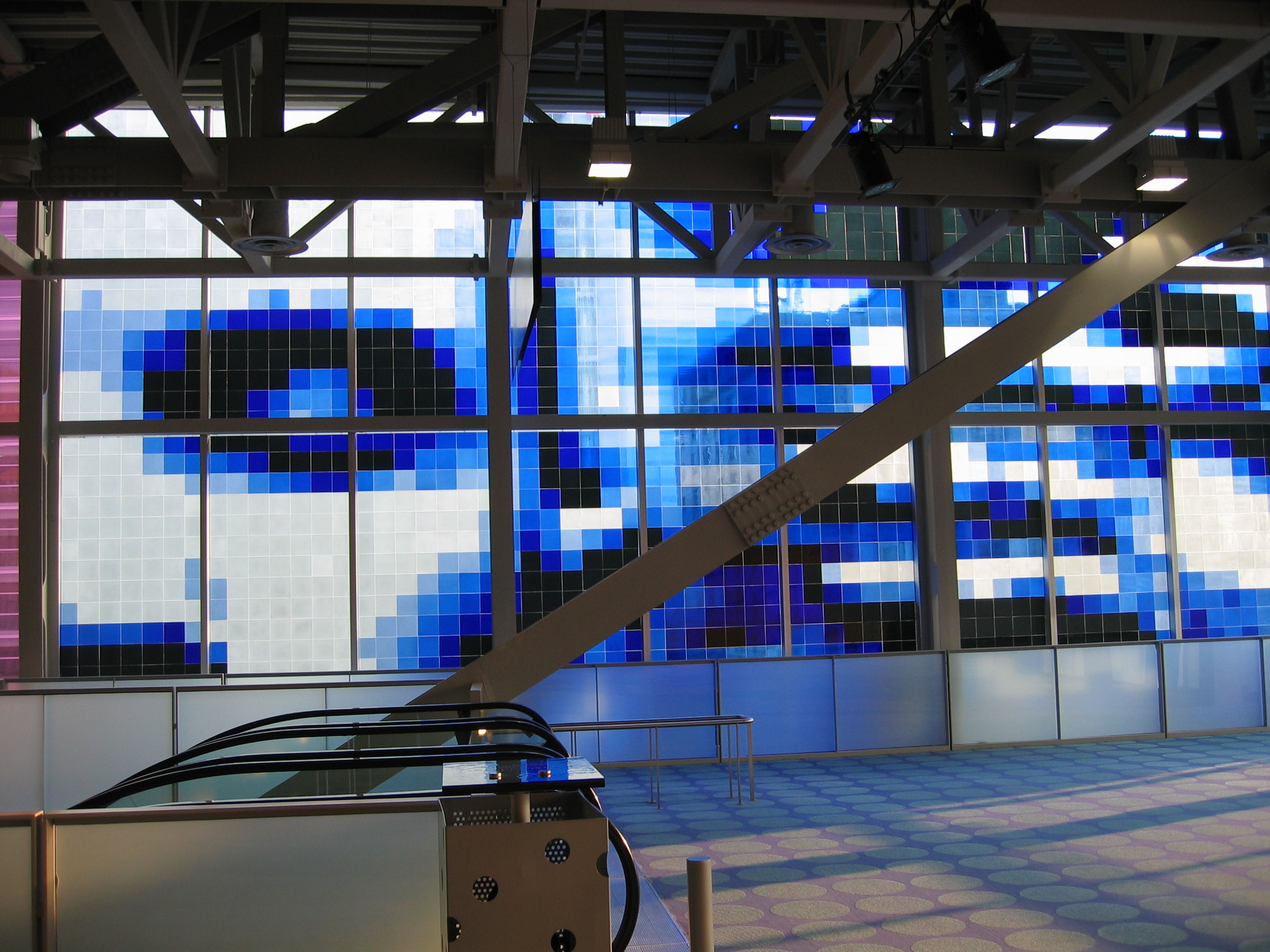
In North America, glass facades must comply with strict codes and testing protocols:
- International Building Code (IBC) for structural and fire safety.
- ASTM Standards such as C1036 (flat glass), C1048 (heat-treated glass), and E2190 (IGU durability).
- CSA Standards in Canada for safety glazing and energy performance.
- Seismic & Wind Load Compliance depending on region, requiring structural engineering validation.
- Bird-Safe Glazing Codes increasingly mandated in U.S. and Canadian cities.
- Fire Ratings for spandrel and specialty applications.
Durability and Maintenance
Glass facades are engineered for lifespans of 30-50 years or more, provided proper maintenance is performed:
- Routine cleaning cycles with non-abrasive methods maintain clarity and performance.
- Sealant inspections every 3-5 years prevent air and water infiltration.
- IGU monitoring for condensation or seal failure.
- Hardware upkeep (gaskets, anchors, brackets) to ensure structural safety.
- Coating care for reflective, fritted, or low-E glass to avoid surface damage.
2026 Design Trends in Glass Facades
- Minimalist Framing: Slim mullions and concealed fixings for uninterrupted glass expanses.
- Smart Switchable Glass: Electrochromic or thermochromic glazing offering privacy and daylight control on demand.
- Parametric Facade Design: Computational tools optimizing performance for solar orientation, wind, and thermal efficiency.
- Ultra-Clear Low-Iron Glass: Increasingly used for luxury projects to achieve pure transparency.
- Sustainability Focus: Net-zero ready buildings with solar control coatings, bird-safe frits, and recyclable glass.
- Integrated Media Facades: LED-embedded glass for interactive or branding purposes.
- Prefabricated Unitized Systems: Reducing installation time and ensuring high quality with factory-controlled fabrication.
Pros and Cons of Glass Facades
Challenges and Considerations
- Solar Heat Gain: Without coatings or shading, facades can increase cooling loads.
- Upfront Costs: More expensive than traditional cladding, but long-term savings may offset.
- Glare & Privacy: Requires strategic orientation and coating selection.
- Maintenance: Requires access systems for cleaning, especially on high-rise towers.
- Environmental Impact: Growing pressure for bird-safe and low-carbon glass fabrication.
The appearance and functionality of contemporary buildings are defined by their glass exteriors. By 2026, they have evolved into complex systems that incorporate sustainability, occupant health, energy efficiency, and acoustic comfort, going beyond simple transparent skins.
The challenge for owners, developers, and architects is to strike a balance between form and function when making decisions about systems (curtain wall, storefront, frameless, IGU), adhering to safety regulations, and making use of smart technologies or improved coatings. Glass facades, when designed, manufactured, and maintained correctly, can provide decades of light, durability, and sustainability, turning buildings into modern architectural landmarks.